
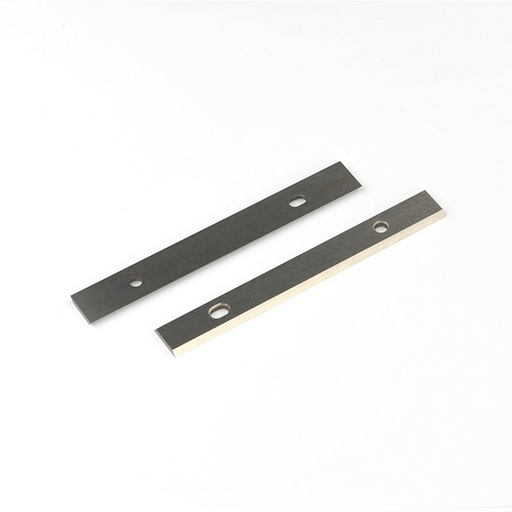
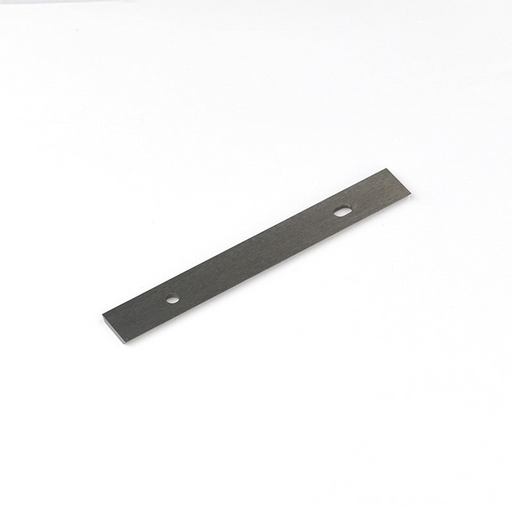
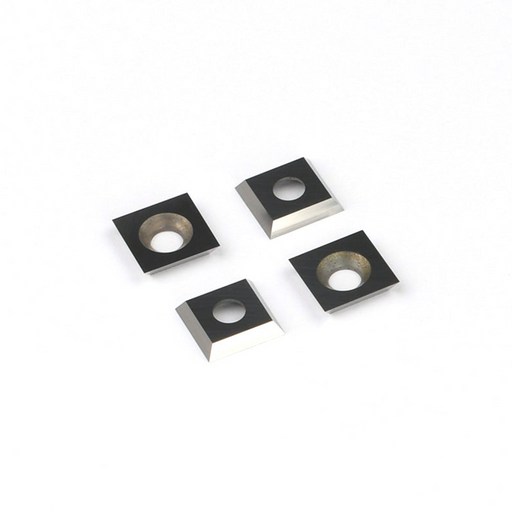
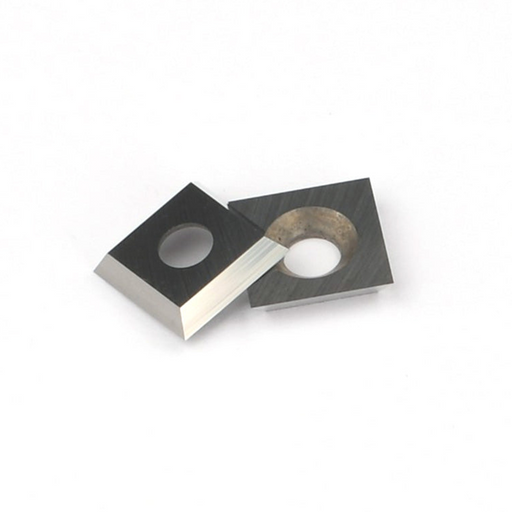


Carbide Inserts for Woodworking and Metalworking | Indexable Replacement Cutters
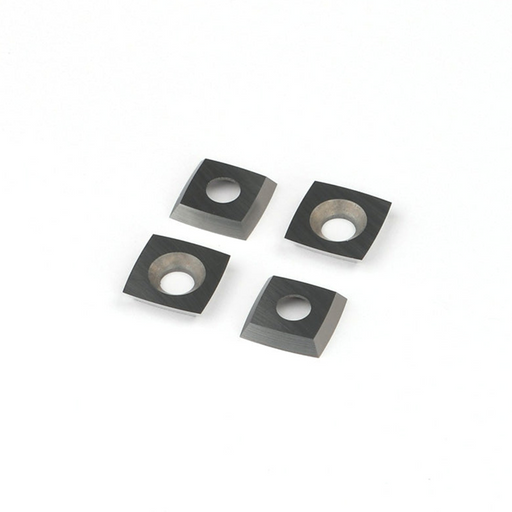
Carbide inserts are the replaceable cutting components inside helical cutterheads, planers, jointers, wood lathes, and CNC tooling. Sheartak supplies carbide cutting inserts for both woodworking and metalworking applications, covering standard sizes that fit the most widely used cutterhead brands in the US and Canadian market. When one cutting edge wears, simply rotate the insert to expose a fresh edge and continue production without downtime.
What Are Carbide Inserts and How Do They Work?
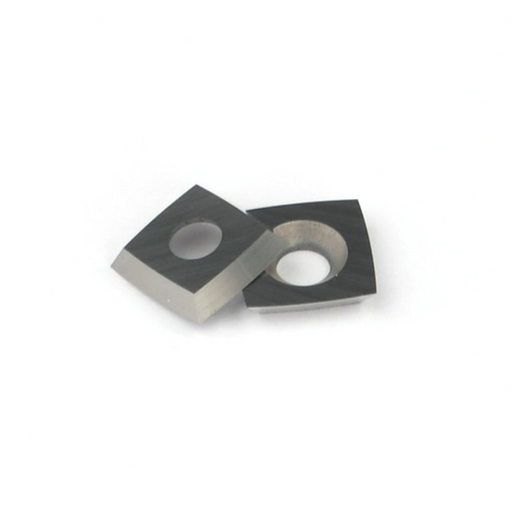
A carbide insert is a small, precision-ground piece of tungsten carbide that mounts into a cutterhead body or tool holder with a locking screw. Unlike traditional straight HSS knives that need periodic regrinding on a bench grinder, indexable carbide inserts are designed to be rotated when one edge dulls, then replaced as a unit when all edges are spent. This indexable system significantly reduces setup time and keeps machines in production longer.
Carbide Inserts vs. HSS Knives: Key Differences
Carbide inserts offer a significantly longer edge life, lasting up to 40 times longer per edge compared to HSS straight knives, which tend to dull more quickly, especially when working with hardwood.
In terms of maintenance, carbide inserts do not require sharpening, as they can be rotated or replaced when worn. In contrast, HSS straight knives require regular regrinding to maintain cutting performance.
When machining hardwood, carbide inserts help reduce chip-out due to their shear cutting action, resulting in cleaner finishes. HSS straight knives are more prone to chip-out, particularly as the cutting edge becomes dull over time.
Operational noise levels are typically lower with carbide insert systems, whereas HSS straight knives tend to produce higher noise during cutting.
For MDF and plywood applications, carbide inserts perform well and can handle abrasive materials efficiently. HSS straight knives, however, have limited compatibility with such materials, as they wear out more rapidly.
From a cost perspective, carbide inserts generally have a lower replacement cost per insert, making maintenance more economical over time. In contrast, HSS straight knives involve a higher cost when replacing the entire knife set.
Carbide inserts last significantly longer than HSS knives, require no sharpening, and perform better on engineered wood products and hardwoods prone to tear-out.
Types of Carbide Inserts Available at Sheartak
Sheartak carries carbide cutter inserts in multiple shapes and sizes to match the requirements of different machines and cutting applications. Whether you operate a planer, jointer, wood lathe, or CNC router, the correct insert shape and dimensions determine both cut quality and machine compatibility.
Insert Shapes and Their Applications
The four main insert shapes each serve a distinct function in woodworking and metalworking operations.
- Square inserts with a straight edge are primarily used in planer and jointer helical cutterheads for general surfacing applications. Common sizes include 14×14×2mm and 15×15×2.5mm, making them a standard choice for consistent material removal.
- Square inserts with a radius are typically applied in lathe roughing, bowl turning, and spindle work, particularly when working with curved profiles. A common specification is 15mm inserts with either a 4" or 2" radius, allowing smoother transitions on rounded surfaces.
- Round inserts are best suited for lathe finishing, concave surface refinement, and hollow turning. Their geometry enables smooth cutting action, with typical sizes including 16mm (Ci0) and 12mm.
- Diamond-shaped inserts are used for fine detail turning, shear scraping, and dovetail tenon cutting. They are designed to deliver precision and clean finishing, and generally follow a standard diamond profile configuration.
Square inserts are the standard choice for planer and jointer cutterheads. Round and diamond inserts are used for lathe work requiring precise finishing or detail cuts.
Standard Insert Sizes and Machine Compatibility
Insert dimensions must match the cutterhead seat exactly.
- The 14 × 14 × 2mm inserts with a 30-degree geometry are commonly used with machines such as the Grizzly T21348 and most pre-2015 Grizzly spiral cutterheads, as well as in DIY wood lathe tooling setups, making them a versatile option for both standard and custom applications.
- The 15 × 15 × 2.5mm inserts are widely compatible with a range of well-known machines and brands, including the Grizzly T27714, JET, DeWalt DW735, Byrd Shelix KN400, Powermatic, and WUDAHUA. This size is one of the most commonly used standards in modern planer and jointer systems.
- The 14.3 × 14.3 × 2mm inserts with a 50-degree angle are specifically designed for machines such as the Cutech 40700H-CT series, Rikon models (25-130H, 25-131H, 20-600H), and King Canada KC-6HJC, ensuring compatibility with select helical cutterhead systems.
- The 12 × 12 × 1.5mm inserts are typically used in CNC and router-based applications, including Amana spoilboard router bits and BINSTAK surfacing bits, making them suitable for precision surfacing and CNC machining workflows.
Always confirm the insert dimensions and bevel angle against your cutterhead specification before ordering. If your machine model is not listed, contact Sheartak for a free compatibility check.
Where Are Carbide Inserts Used?
Carbide cutting inserts serve a broad range of machines across both woodworking and metalworking.
- For surfacing and planing applications, thickness planers equipped with helical cutterheads typically utilize square inserts in sizes such as 15×15mm or 14×14mm. These configurations provide consistent material removal and efficient surface finishing.
- In edge jointing operations, jointers with helical cutterheads also rely on square inserts of 15×15mm or 14×14mm. This setup ensures clean, straight edges with reduced tear-out, particularly on hardwoods.
- For bowl and spindle turning on wood lathes, round inserts or square inserts with a radius are recommended. These insert types allow smoother cutting transitions and better control when shaping curved profiles.
- Detail and hollow turning applications, also performed on wood lathes, benefit from diamond-shaped inserts or smaller round inserts. These provide greater precision and accessibility for intricate work and internal contours.
- In spoilboard surfacing applications using CNC routers, square inserts in 12mm or 15mm sizes are commonly used. These inserts are well-suited for flattening large surfaces with high efficiency and durability.
- For milling and boring in metalworking environments, such as milling machines or boring bars, insert selection is highly application-specific. It is recommended to consult directly with Sheartak to determine the appropriate insert type based on the material, tooling setup, and machining requirements.
For metalworking applications, Sheartak can advise on the correct carbide grade and geometry for your specific machining operation. Contact the team for a pre-purchase consultation.
How to Choose the Right Carbide Insert
Selecting the correct carbide insert requires matching four variables: insert dimensions, bevel angle, number of cutting edges, and compatibility with your specific cutterhead model. Getting one of these wrong means the insert will not seat correctly or will not lock securely, which affects both cut quality and operator safety.
Step 1: Identify Your Machine Model and Cutterhead Brand
Start with the cutterhead model number, not just the machine brand. Two planers from the same manufacturer can require different insert sizes if they were made in different production runs or use different helical head specifications. Check the manual or the cutterhead body itself for the part number.
Step 2: Confirm Insert Dimensions and Bevel Angle
Two inserts that share the same face dimensions (for example, 14 x 14mm) may have different bevel angles (30 degrees vs. 50 degrees). These are not interchangeable. An insert with the wrong bevel angle will not seat flush in the pocket, which leads to uneven cutting and potential damage to the cutterhead body.
Step 3: Check the Number of Cutting Edges
Most planer and jointer inserts have four indexable cutting edges. Some Cutech and Rikon-compatible inserts have two edges. A 4-edge insert offers more value per unit since it can be rotated three times before replacement. Confirm the edge count from your cutterhead documentation or existing inserts.
Step 4: Contact Sheartak if You Are Not Certain
If your machine model is not listed in the compatibility table above, or if you are sourcing carbide inserts for a metalworking application that requires a specific carbide grade, the Sheartak team will confirm compatibility before your order ships. Pre-sales support is a standard part of the purchase process, not an add-on.
Why Professional Shops Choose Sheartak Carbide Inserts
Sheartak has supplied cutting tooling to professional woodworking and metalworking shops across the US for over 16 years. The factors below reflect what distinguishes Sheartak from generic insert suppliers who ship without technical verification.
Precision Carbide Grade for Long-Lasting Edge Retention
The performance of a carbide insert depends heavily on the grade and grain structure of the tungsten carbide used in manufacturing. Sheartak inserts are produced from micro-grain tungsten carbide selected for the hardness, toughness, and edge sharpness required in production woodworking and metalworking environments. A coarser carbide grade may hold an edge adequately for occasional use but wears faster under the sustained cutting pressures of a busy shop.
Compatibility Expertise and Pre-Sales Support
Ordering the wrong insert size is a common and costly mistake when sourcing replacement carbide cutter inserts from suppliers without technical expertise. The Sheartak team asks the right questions before confirming an order: machine model, cutterhead part number, bevel angle, and edge count. This prevents compatibility issues before the shipment leaves the warehouse. Read verified feedback from other professional shops on the
Fast Shipping to the US with Easy Returns
Sheartak ships carbide inserts to the US with a standard 30-day return policy on qualifying products. For professional shops and trade buyers ordering on a regular schedule, the
For volume buyers and trade accounts, the Sheartak dealer program offers priority pricing and access to new product lines. Contact the team at sales@sheartak.com or call 1-877-417-4327 to discuss trade account options.
Frequently Asked Questions About Carbide Inserts
The questions below address the most common technical and purchasing concerns raised by woodworking professionals and machinists before ordering carbide cutting inserts from Sheartak. For questions not covered here, the team is available at 1-877-417-4327 or by email.
Are Sheartak carbide inserts compatible with my Grizzly or JET cutterhead?
Compatibility depends on the specific cutterhead model number, not just the machine brand. Grizzly and JET use different insert sizes across their product lines. Provide your cutterhead model number and Sheartak will confirm the correct insert before your order is placed.
What is the difference between 14mm and 15mm carbide inserts?
The 14 x 14 x 2mm insert is the standard for older Grizzly spiral heads and many DIY lathe tools, while the 15 x 15 x 2.5mm insert fits Byrd Shelix heads, JET, and DeWalt DW735 models. The two sizes are not interchangeable. Using the wrong size means the insert will not seat correctly in the cutterhead pocket.
How many times can I rotate a carbide insert before replacing it?
Most square inserts for planer and jointer cutterheads have four indexable cutting edges, allowing three rotations before the insert needs to be replaced. Signs that an edge needs rotating include increased tear-out, burn marks on the workpiece surface, reduced feed rate, and audible changes in cutting noise.
Can carbide inserts be sharpened?
Round inserts for lathe turning can be sharpened by moving them face-down on a flat diamond sharpening stone in a figure-8 pattern. Square inserts used in planer and jointer cutterheads are generally not recommended for resharpening, as maintaining the precise geometry is difficult without dedicated equipment. Rotating to a fresh edge is the standard practice.
Do you offer carbide inserts for metalworking applications?
Yes. Sheartak supplies carbide cutting inserts for metalworking in addition to woodworking tooling. Metalworking applications often require a specific carbide grade and chip geometry suited to the material being machined. Contact the team with your application details and Sheartak will recommend the correct insert specification.
Whether you are restocking worn inserts for a planer helical head or sourcing carbide cutting inserts for a metalworking operation, Sheartak has the size, grade, and application knowledge to get the right product to your shop. With over 16 years supplying professional operations across the US, the team is ready to confirm compatibility and answer technical questions before your order ships.