
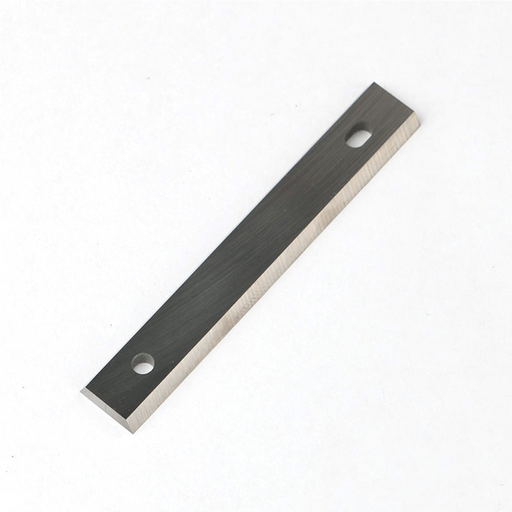
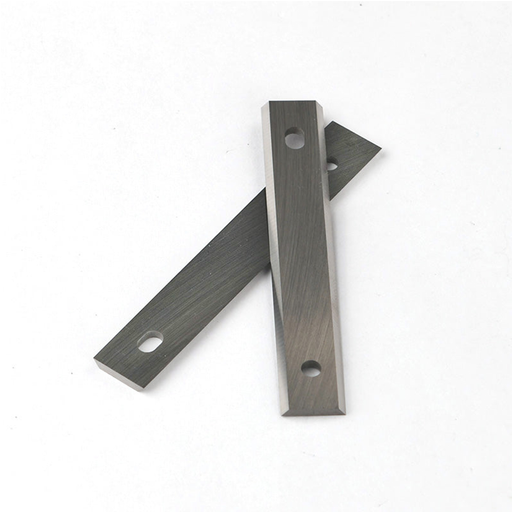
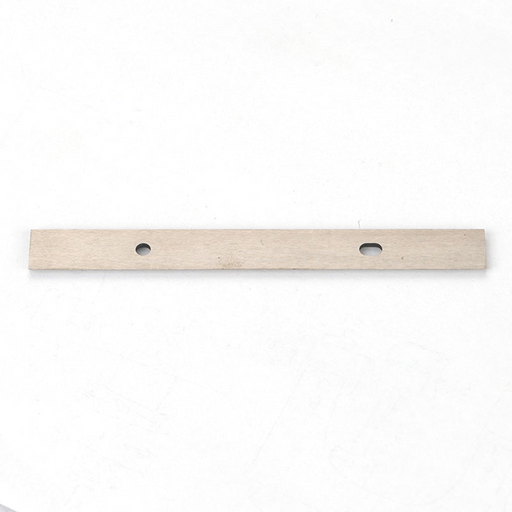
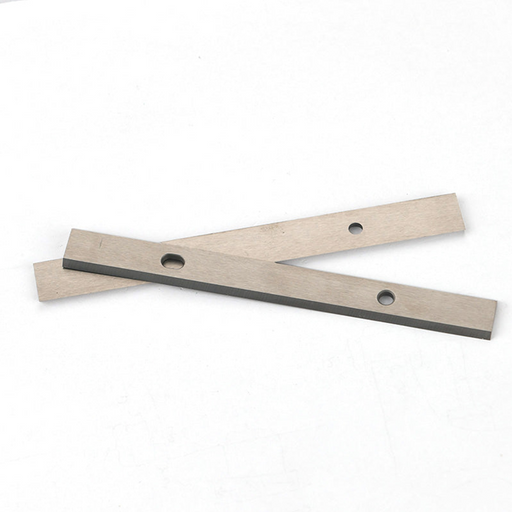
Rectangular Carbide Inserts for Helical Cutterheads: Indexable Replacement Knives for Planers, Jointers, and Moulders
Sheartak stocks a complete range of rectangular carbide inserts for production woodworking shops, millwork operations, and machine maintenance teams across the US. These indexable C3 tungsten carbide insert knives fit the helical and spiral cutterheads used in thickness planers, jointers, moulders, and shapers. Browse the product grid above to find the right rectangular carbide inserts for your cutterhead dimensions.
What Are Rectangular Carbide Inserts?
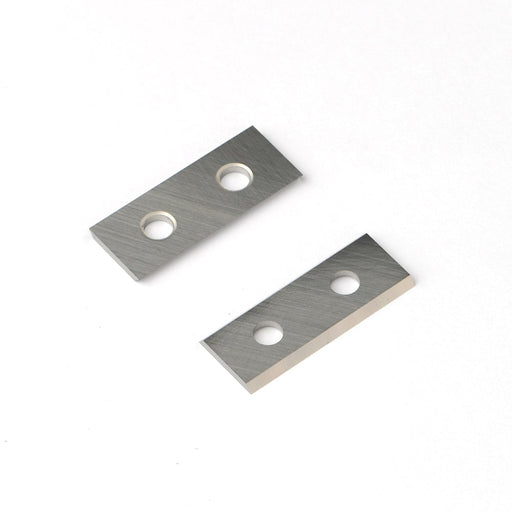
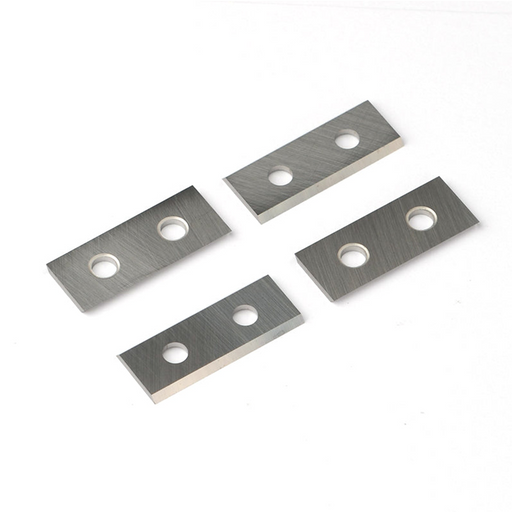
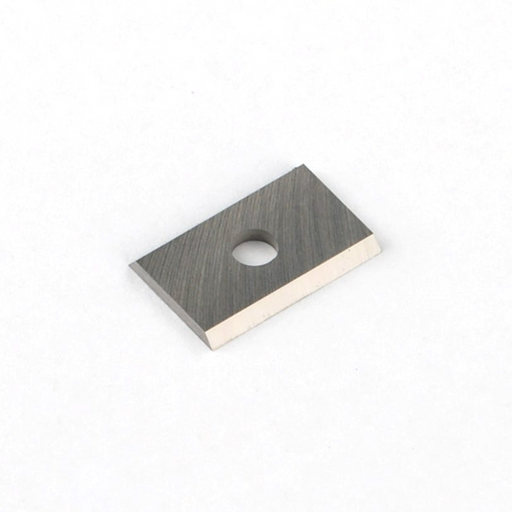
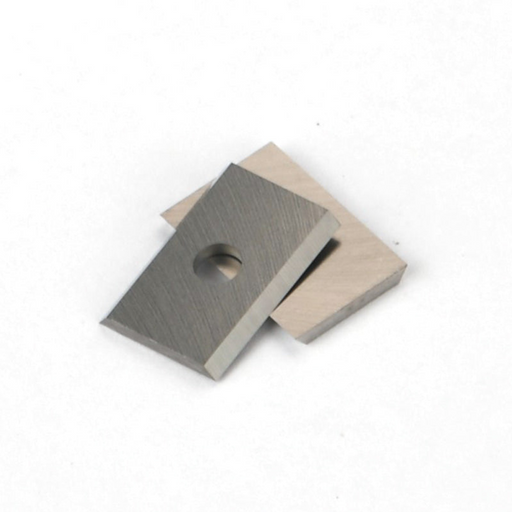
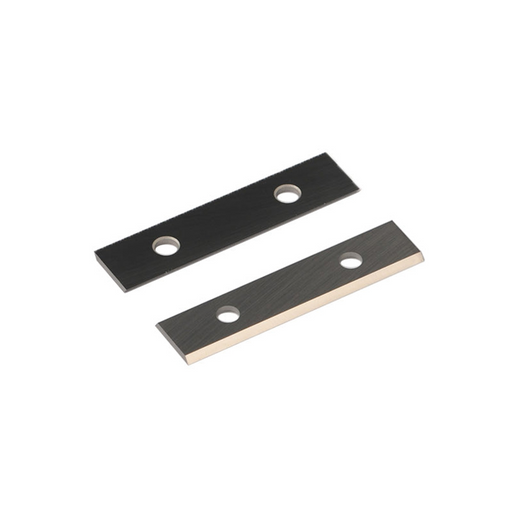
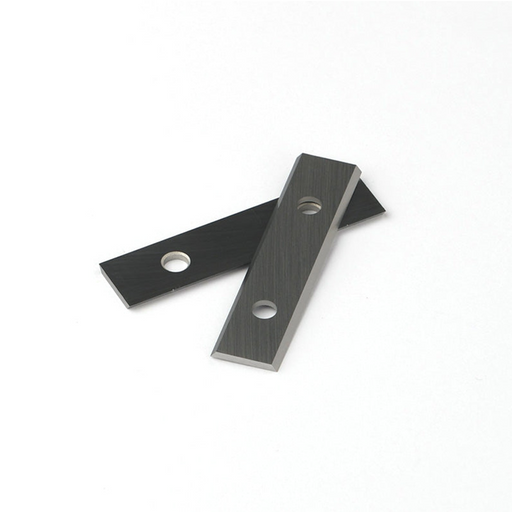
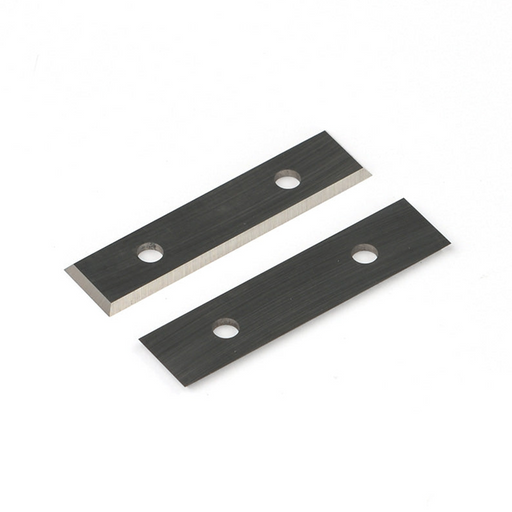
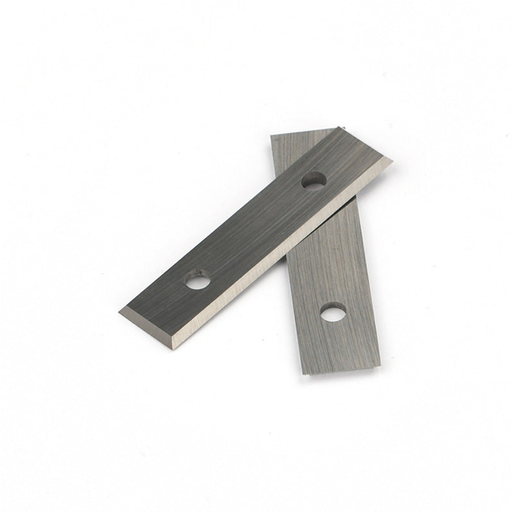
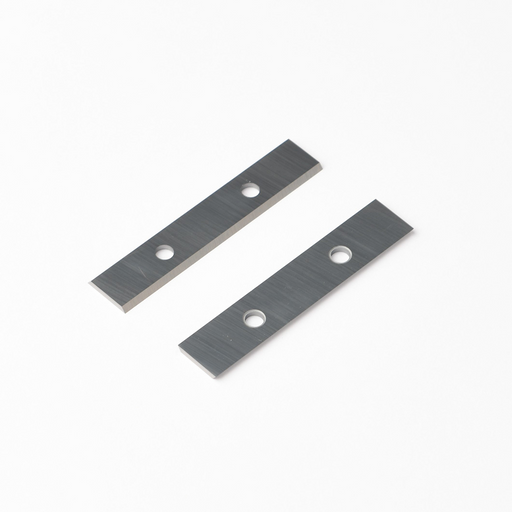
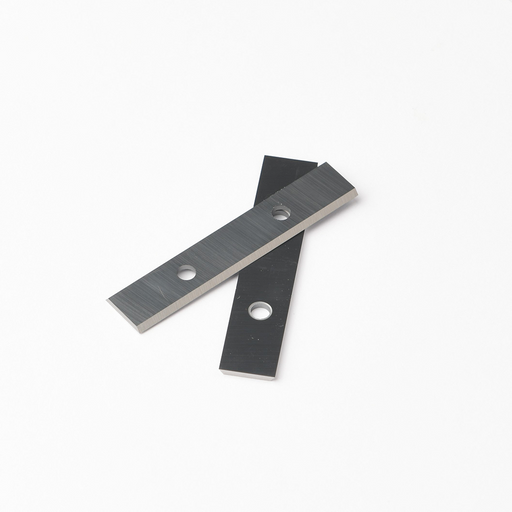
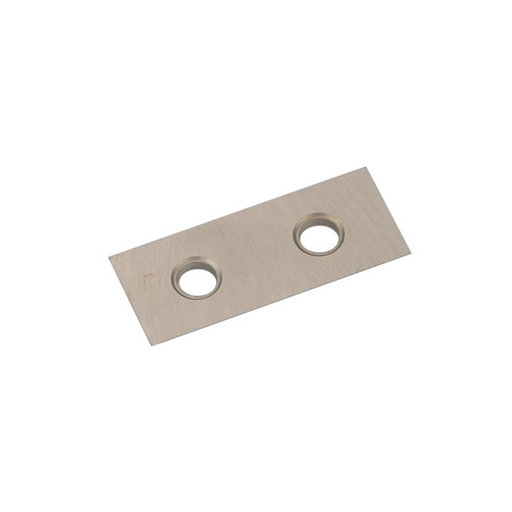
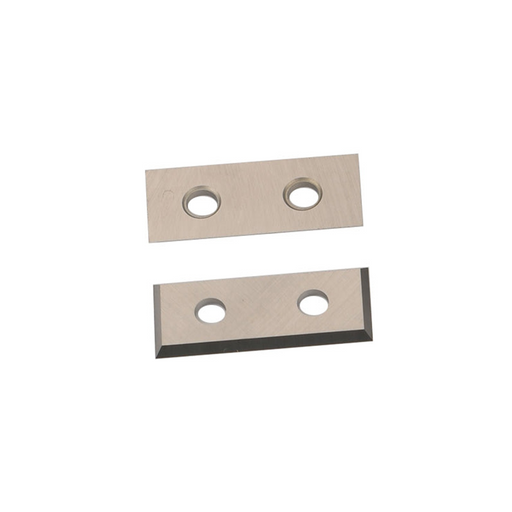
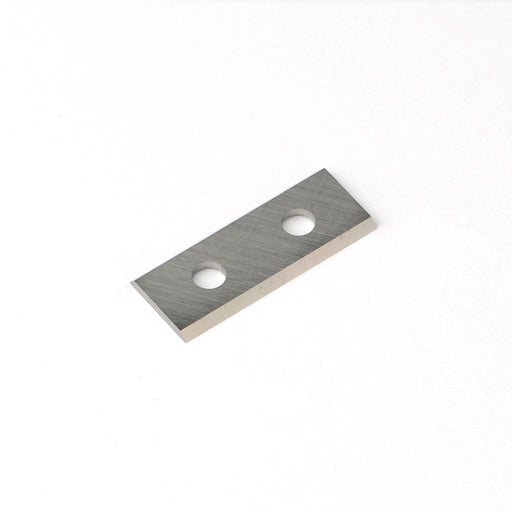
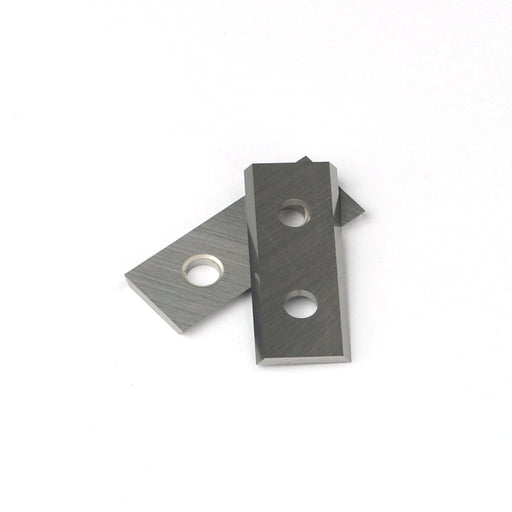
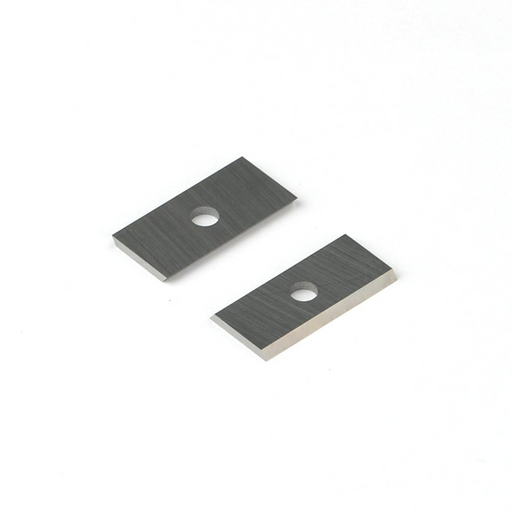
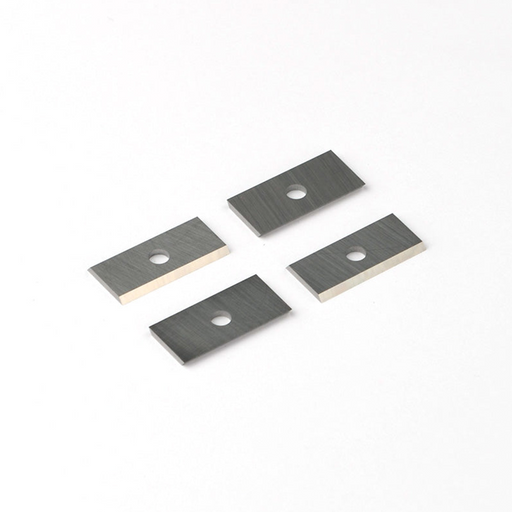
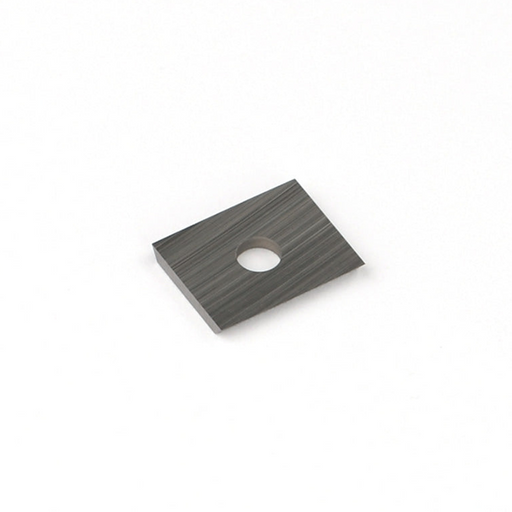
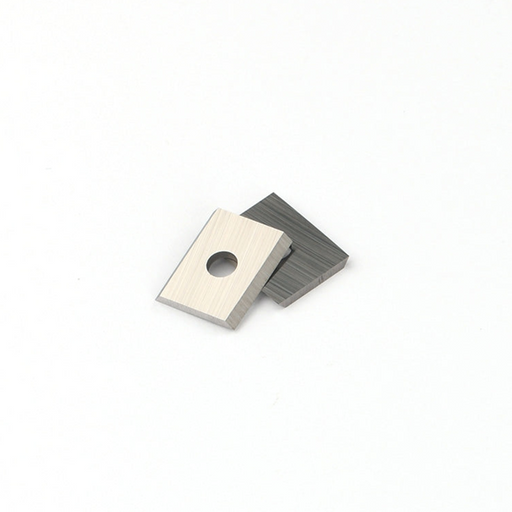
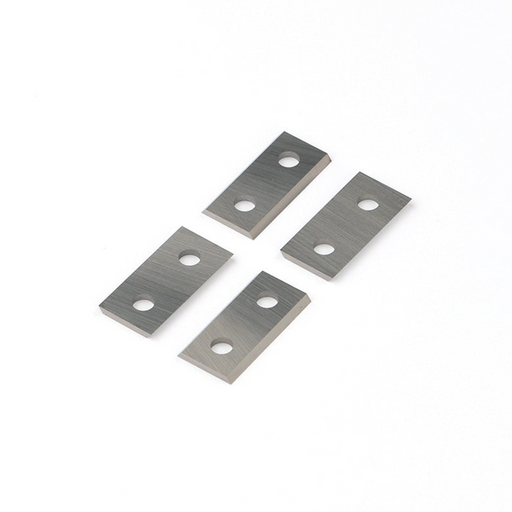
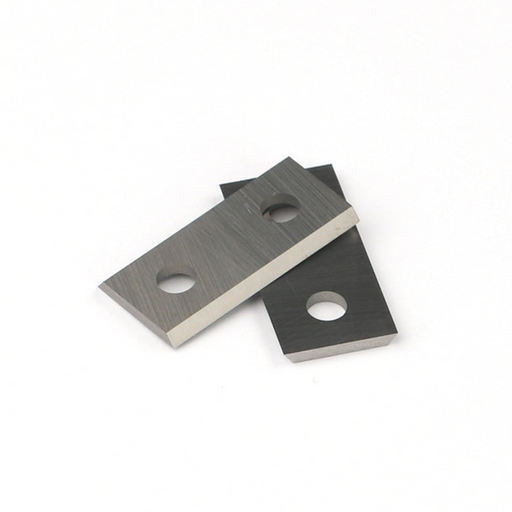
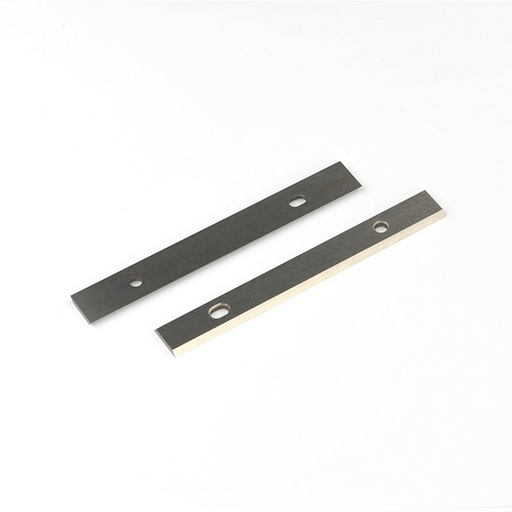
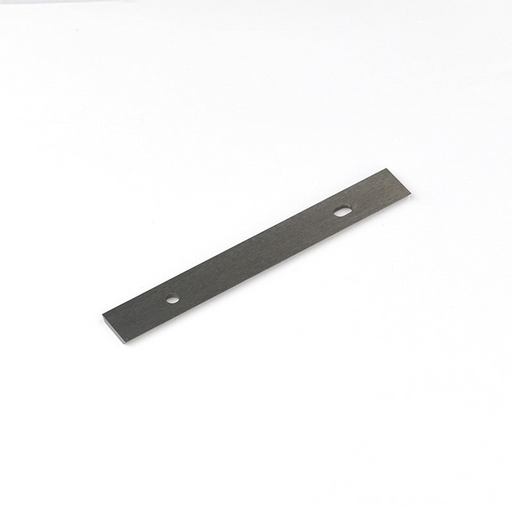
Rectangular carbide inserts are indexable tungsten carbide cutting elements in a rectangular cross-section format, where the length is greater than the width and the width is greater than the thickness. They are mounted in the insert pockets of helical and spiral cutterheads, secured by a Torx screw, and designed to be indexed (rotated to a fresh edge) when the current cutting edge dulls, then replaced when all edges are worn.
Most rectangular inserts have two usable edges, one on each long face. When an edge dulls, loosen the Torx screw, rotate the insert 180 degrees to a fresh edge, and retighten. When both edges are worn or chipped, the insert is replaced with a new one of the same specification.
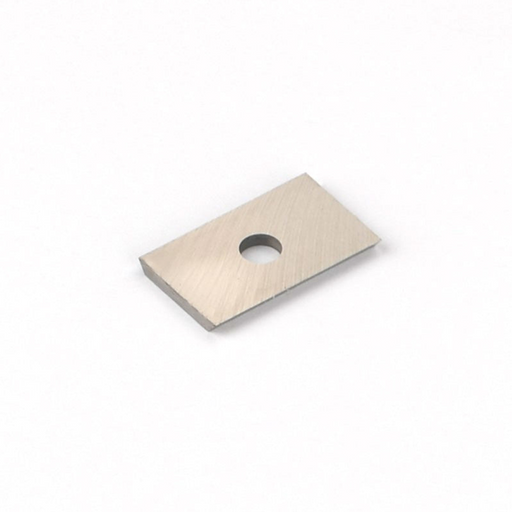
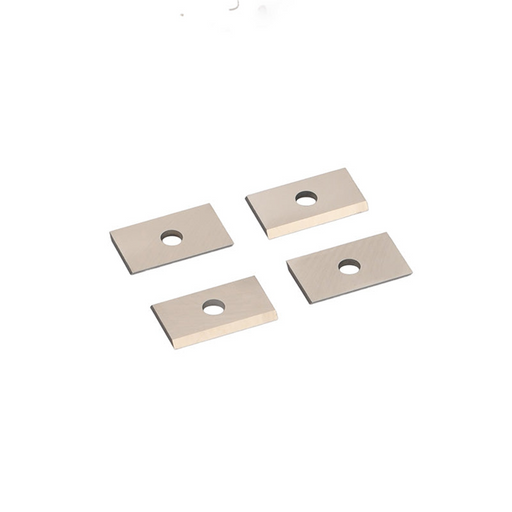
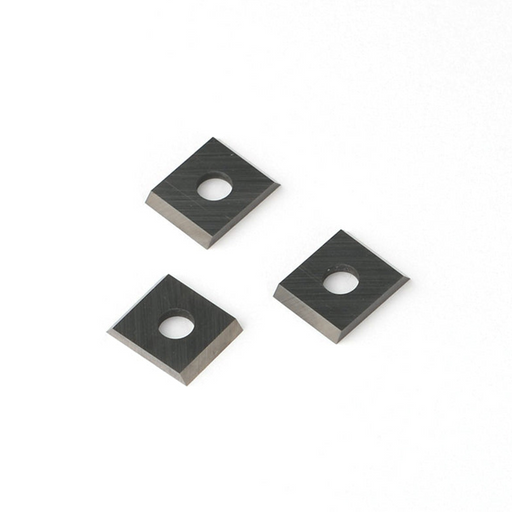
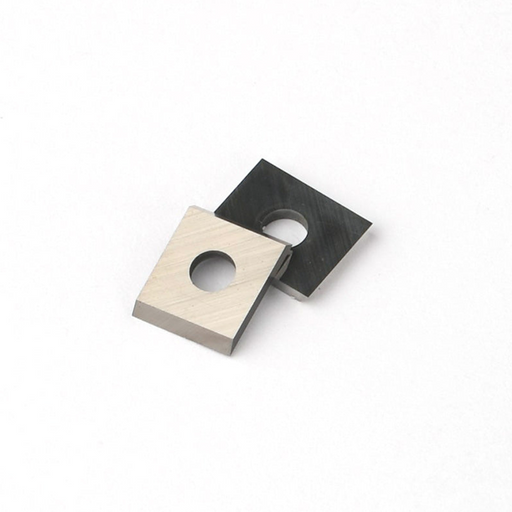
Rectangular carbide inserts differ from square inserts in that length and width are unequal (e.g., 30x12x1.5mm), giving two usable edges, compared to square inserts which have equal dimensions (e.g., 15x15mm) and four usable edges. The two formats are not interchangeable; the cutterhead pocket determines which is required.
All rectangular carbide inserts in this collection are designed for compatible helical and spiral cutterheads. Browse the helical moulder cutter head collection to find compatible cutterheads available from Sheartak.
Available Dimensions: Matching Rectangular Inserts to Your Cutterhead
Rectangular carbide inserts are specified by three dimensions: length (L), width (W), and thickness (T) in millimeters. All three must match the cutterhead pocket exactly before ordering.
- 30 x 12 x 1.5 mm, 2 edges, fits helical planer heads, spiral jointer heads, and combination machine cutterheads.
- 30 x 12 x 2.0 mm, 2 edges, suits heavier-duty planer and moulder heads requiring a slightly thicker insert profile.
- 40 x 12 x 1.5 mm, 2 edges, designed for wider cutterhead formats, 4-side moulders, and larger planer spiral heads.
- 40 x 12 x 2.0 mm, 2 edges, covers industrial moulder cutterheads and production-grade spiral planer heads.
- 50 x 12 x 1.5 mm, 2 edges, for wide-format cutterheads, large jointer spiral heads, and industrial moulding machines.
- 50 x 12 x 2.0 mm, 2 edges, handles heavy industrial cutterheads and high-volume moulding production lines.
For dimensions not listed in the product grid, contact Sheartak with the exact L x W x T measurements from your existing inserts or machine manual. Additional sizes are available on request.
Table summary: Six representative rectangular insert dimensions are shown with their typical application contexts. All three measurements (L, W, T) must match exactly to the cutterhead pocket specification. Use existing inserts or the machine manufacturer's documentation to confirm.
Machine Compatibility: Which Cutterheads Accept Rectangular Inserts?
Rectangular carbide inserts are used in helical and spiral cutterheads across a wide range of machines. The required insert dimension is determined by the cutterhead model, not the machine brand alone.
Thickness planers from Powermatic, Jet, Grizzly, Delta, and WEN commonly use rectangular carbide inserts in their spiral planer heads. The Byrd Shelix cutterhead retrofit uses specific rectangular dimensions depending on the machine model. Jointers with spiral cutterheads including the Powermatic 54HH, Jet JJP, and Grizzly spiral-head jointers also use rectangular inserts, with dimensions varying by cutterhead diameter.
Four-side moulders and shaper cutterheads designed for continuous-run production also use rectangular insert format. In all cases, measure existing inserts or consult the cutterhead specification sheet to confirm the exact L x W x T dimensions required before ordering.
How to Choose the Right Rectangular Carbide Inserts
Selecting the correct rectangular carbide inserts involves confirming the dimensional specification, the carbide grade, the number of usable edges, and the appropriate pack quantity for the replacement job.
Dimensions
Measure existing inserts with a digital caliper: length, width, and thickness in millimeters. Match all three to the product listing. A 0.1mm difference in thickness can cause incorrect seating. If no inserts remain, consult the cutterhead spec sheet or contact Sheartak with the model number.
Carbide Grade
C3 grade tungsten carbide is the standard specification for rectangular carbide inserts used in woodworking applications including hardwoods, softwoods, MDF, and plywood. C3 provides the correct balance of hardness and toughness for typical planer and jointer production runs. C4 grade is harder and more wear-resistant, suited for abrasive exotic hardwoods, high-density fiberboard, and production environments where insert life between indexing cycles is the primary performance requirement. Sheartak supplies rectangular carbide inserts in C3 as the standard grade.
Usable Edges and Replacement Planning
Most rectangular inserts have two usable edges. For a full replacement, count the insert positions in the cutterhead and divide by 10 to determine packs needed. Sheartak supplies rectangular carbide inserts in packs of 10.
Step 1: measure existing inserts with a digital caliper (L x W x T in mm)
Step 2: match all three values to the Sheartak product listing dimensions
Step 3: confirm carbide grade (C3 standard for most woodworking applications)
Step 4: count insert positions in the cutterhead and calculate packs required
For cutterheads that require square-format inserts rather than rectangular, browse the square carbide inserts collection for compatible indexable insert knives in square dimensions.
Applications: Where Rectangular Carbide Inserts Are Used
Rectangular carbide inserts serve production woodworking applications wherever a helical or spiral cutterhead is in use and surface quality and consistent material removal are the primary performance requirements.
Thickness planers with helical cutterheads are the highest-volume replacement application. Replacing dulled inserts on a scheduled basis, rather than waiting for surface quality to degrade, is the most cost-effective production approach. Jointers with spiral cutterheads require a consistently sharp edge across the full cutterhead width; a single chipped rectangular insert produces a visible track in the jointed face that transfers into glued panels.
Four-side moulders run rectangular carbide inserts at continuous duty cycles where surface finish directly determines downstream sanding requirements. Shaper cutterheads and insert-format CNC router tooling round out the application range.
Why Professionals Choose Sheartak Rectangular Carbide Inserts
Sheartak manufactures rectangular carbide inserts to dimensional tolerances that ensure consistent seating in the insert pocket. An insert that does not seat to the same depth as its predecessor shifts the cutting circle on that pocket, producing a visible surface variation.
C3 tungsten carbide blanks are ground and polished to a mirror finish on the cutting face, which reduces cutting resistance and heat generation at the edge compared to an unpolished insert of equivalent hardness. The mirror finish also produces a cleaner shearing action on wood fiber, which is directly visible in the surface quality of the workpiece after the first production pass with new inserts.
- Tight dimensional tolerances: consistent pocket seating across all insert positions in the cutterhead
- C3 mirror-polished cutting face: reduced cutting resistance and improved surface finish quality
- Multiple dimensions in stock: covering the most common rectangular insert sizes for US market cutterheads
- US-based inventory: in-stock availability with fast domestic shipping; no 3-week international wait for production-critical replacements
Frequently Asked Questions
The following questions address the most common queries from buyers researching rectangular carbide inserts. Contact the Sheartak team if your question is not covered below.
What are rectangular carbide inserts?
Rectangular carbide inserts are indexable C3 tungsten carbide cutting elements in rectangular format (length greater than width, e.g., 30x12x1.5mm) for helical and spiral cutterheads. Used in thickness planers, jointers, moulders, and shapers as replacement cutting knives.
What is the difference between rectangular and square carbide inserts?
Square inserts have equal length and width dimensions (e.g., 15x15mm) and typically provide four usable edges. Rectangular inserts have unequal dimensions (e.g., 30x12mm) and typically provide two usable edges. The cutterhead pocket design determines which format is required; the two types are not interchangeable.
How do I find the right rectangular insert size for my planer or jointer?
Measure the existing inserts in the cutterhead using a digital caliper and record the length, width, and thickness in millimeters. Match all three values to the product listing specifications. If no inserts remain for measurement, consult the cutterhead or machine manufacturer's documentation, or contact Sheartak with the cutterhead model number.
How many rectangular carbide inserts does a helical cutterhead need?
The number of insert positions varies by cutterhead width and model. A 13-inch planer head typically has 30 to 60 positions; a 6-inch jointer head typically has 20 to 40. Count the positions on the cutterhead directly or check the manufacturer's specification. Sheartak supplies inserts in packs of 10.
When should I index a rectangular carbide insert instead of replacing it?
Index to a fresh edge when the current edge is dull but shows no visible chipping or breakage. Replace the insert when all edges are worn or when any edge has a chip that produces tearout or track marks on the workpiece. Indexing takes under two minutes per insert with a Torx key.
Do Sheartak rectangular carbide inserts fit Byrd Shelix and other third-party cutterheads?
Compatibility depends on the exact L x W x T dimensions of the insert, not the brand name of the cutterhead. Measure the existing inserts or check the Byrd Shelix specification sheet for the model installed in your machine. Contact Sheartak with the measurements to confirm a match before ordering.
Find the Right Rectangular Carbide Inserts for Your Cutterhead
Sheartak stocks rectangular carbide inserts in multiple L x W x T dimensions to cover the most common helical and spiral cutterhead systems in the US market. Browse the product grid above to find the right dimension, or contact the technical team for dimensional confirmation, compatibility guidance, or bulk order pricing on rectangular carbide inserts.